
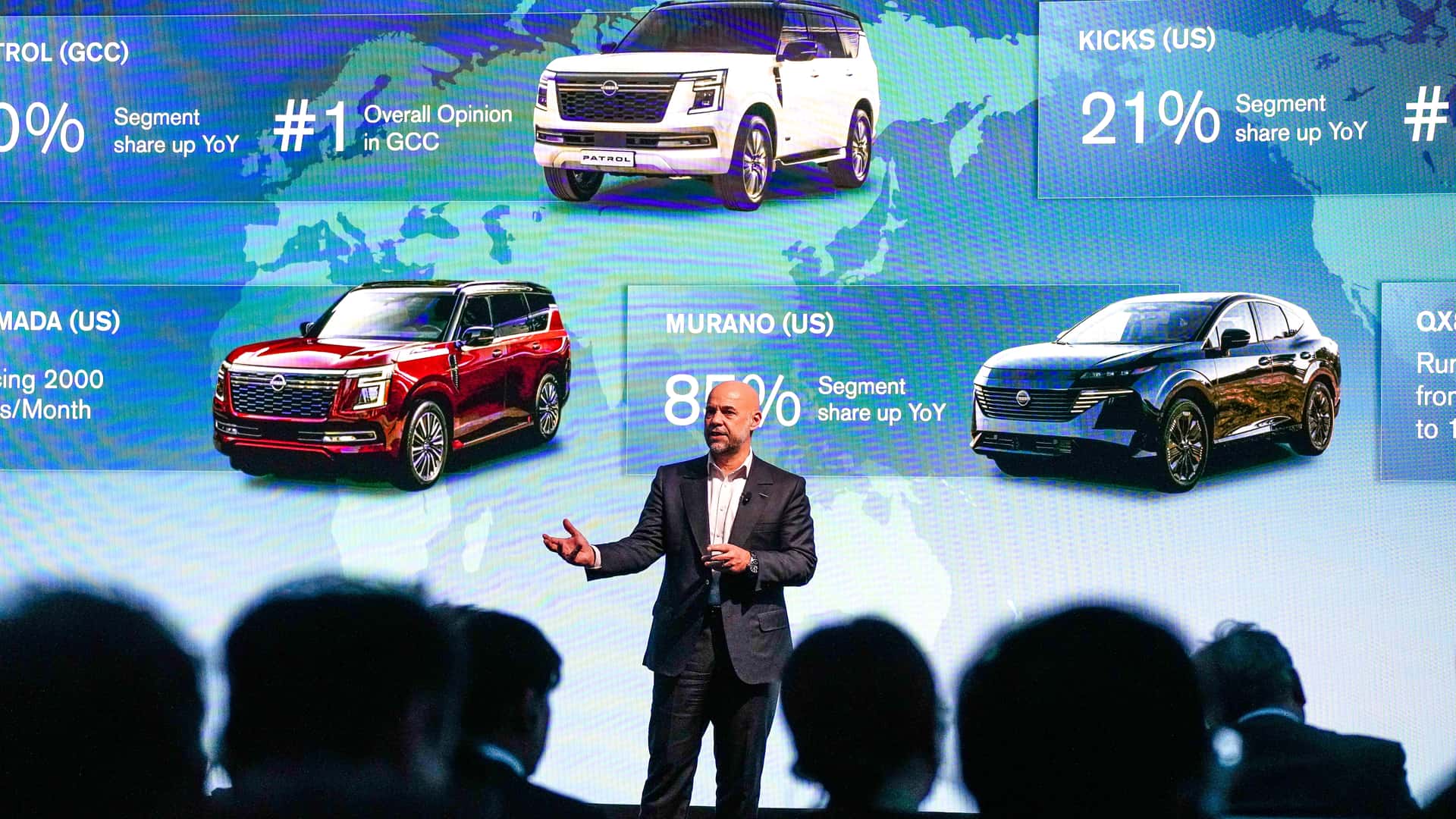
Nissan is finally addressing its biggest problem: It takes way too long to design cars.
Nissan faces an issue with its products. While the company is capable of producing excellent vehicles, it struggles due to a systemic tendency to let initiatives languish. This has resulted in difficulties maintaining competitiveness and appearing innovative.
At any moment, some Nissans stand out as excellent vehicles, while others seem like artifacts of another era. This inconsistency makes it challenging to persuade consumers that Nissan is an innovative leader or a desirable brand to purchase from. Finally, the company is addressing its most significant cultural challenge head-on.
“We’re not fast enough,” Chief Performance Officer Guillaume Cartier stated to various media outlets, such as InsideEVs, at Nissan’s upcoming products preview event in Japan last week. “We intend to tackle this issue.”
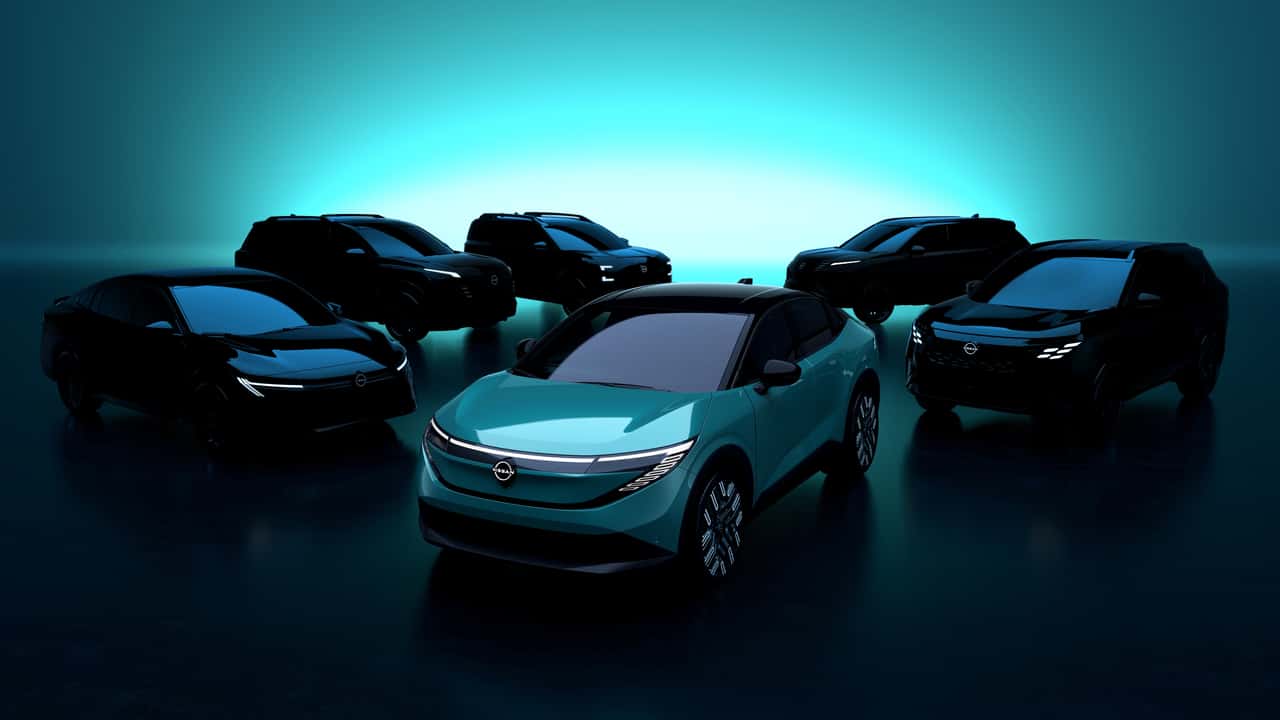
Nissan has numerous products scheduled for release over the next few years. However, the company’s ability to maintain such a broad range of offerings during financial constraints remains uncertain.
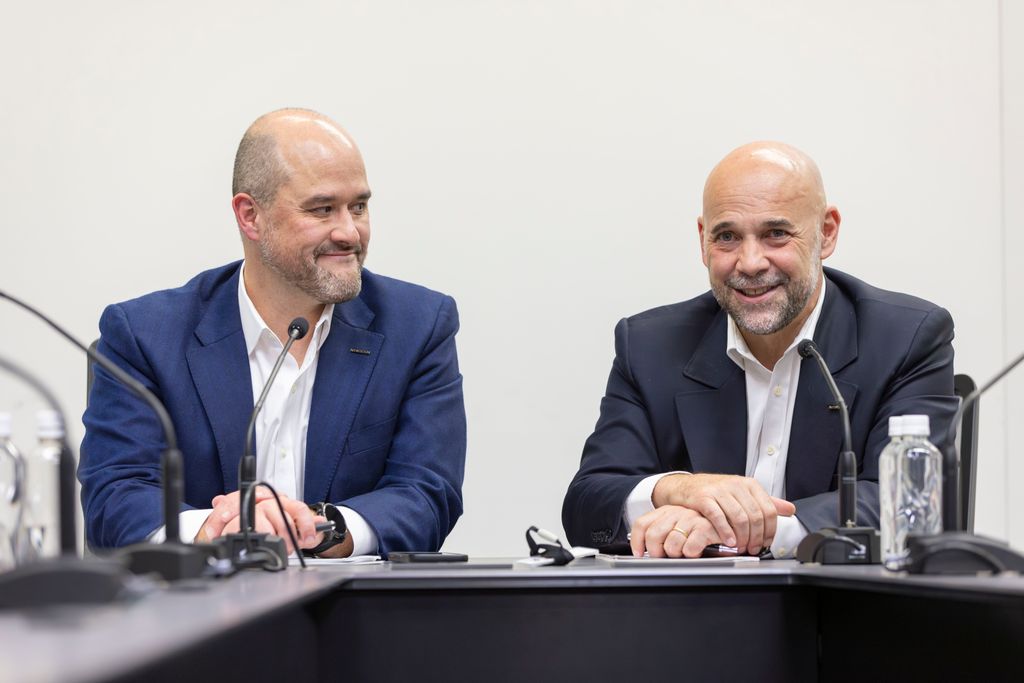
Incoming CEO Ivan Espinosa remained in the position of Chief Planning Officer up until March 31. In this role, he was responsible for overseeing product planning across the entire organization. Therefore, he has extensive insight into the company’s challenges with implementing timely initiatives. Addressing these issues is among his top priorities as he takes on his new responsibilities.
Related Stories
- Nissan's Upcoming Hybrids Will Be EREVs Instead
- Car Companies Are Shifting Into Self-Preservation Mode
- Nissan States 'Our Communication With Honda Never Ceased'
- Nissan Is Developing an Electric Vehicle Inspired by the Xterra for Adventurous Pursuits
- 2026 Nissan Leaf: Here It Is
- Can Nissan's New 'Real Car Guy' CEO Put It Back In The EV Race?
"Today, developing one car takes us around 55 months," Espinosa said. "What we're doing is by doing family planning and other changes in our development cycles, we want the first car in the family to be done in 37 months, and the second car or third car or fourth car in the family is developed in 30 months."
So while it may take 37 months to develop the upcoming Xterra-inspired adventure EV , the Infiniti version should take less than three years. That's over two years quicker than it usually takes Nissan to design and produce a new model.
The sluggish pace has left Nissan trailing behind numerous Western rivals. Leaf has continued to persevere despite difficulties outdated CHAdeMO It has been plugged for years even as the industry moved away from it, and surprisingly, the 2024 version remains air-cooled. Similarly, its gasoline offerings aren’t much better, featuring vehicles such as the Frontier and Z which rely on platforms so outdated they could enlist in the military. The firm simply can't keep up compared to traditional competitors.
Moreover, a fresh challenge has emerged with Chinese automakers outperforming traditional manufacturers. Wall Street Journal notes that Chinese luxury brand Nio can develop an entirely new car in 36 months, while Zeekr -- which falls under the same corporate group as Volvo -- can develop a product entirely from start to finish within just 24 months.
This is why Ponz Pandikuthira, who serves as Nissan’s Chief Planning Officer for the Americas, referred to the surge in Chinese electric vehicles as a significant development in the automotive industry. iPhone moment Their technology and rate of advancement are simply outpacing those of conventional car manufacturers.
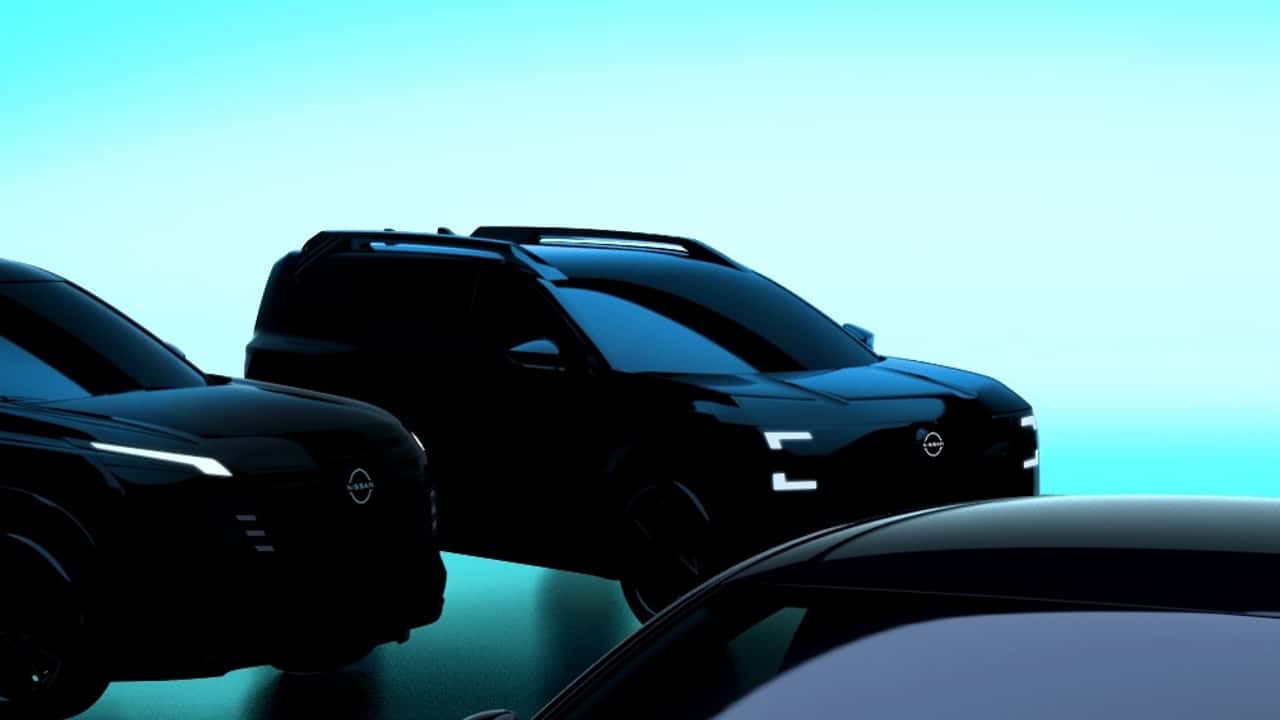
A preview of Nissan's electric vehicle inspired by the Xterra for an adventurous drive.
Nissan’s effort to close the gap is essential, but whether it will succeed remains uncertain. Alfonso Albaisa, the head of Nissan’s design division, explained that the company was shortening design milestones and eliminating several intermediary stages, as well as limiting the number of people involved in shaping designs. However, the true hurdle lies in tackling the cultural dimension: Can a corporation known for its deliberate pace learn to keep up with the fastest competitors?
Espinosa, Cartier and Albaisa seem excited by the challenge. But it's not the first time I've heard Nissan pitching a turnaround plan. The plan is the easy part. The execution will be hard, and Nissan has to prove that it's changed if it wants to keep consumers excited.
"It's a good start, but, everything is coming quite late, so all of these measures should have been taken some years ago," JATO Global Automotive Analyst Felipe Munoz told InsideEVs . "Not three or four years after the Chinese just took off. But still, everything is welcome to solve their situation and catch up."
Contact the author: Mack.hogan@insideevs.com .
EmoticonEmoticon