
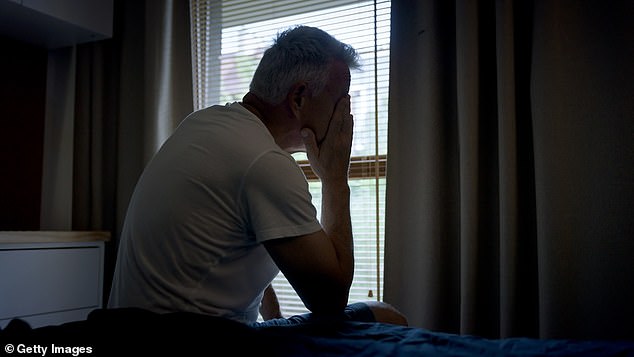
New research has revealed a novel approach to staving off insomnia for older people - lifting weights.
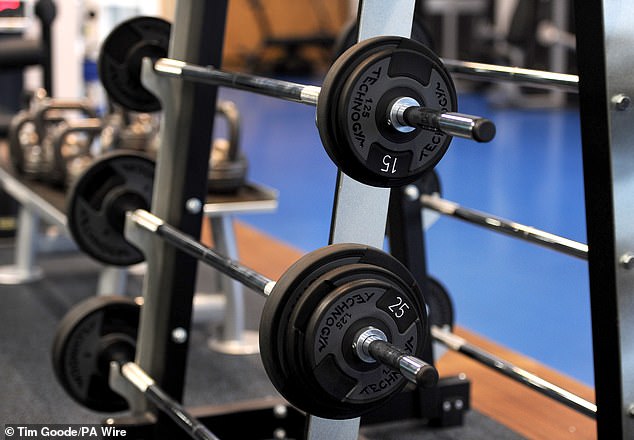
According to sleep experts, muscle building or resistance style training such as dumbbell and barbell use can greatly enhance one's ability to fall asleep.
Various conventional types of workouts for senior citizens, including aerobic activities like fast-paced walking or Pilates, have been shown to provide benefits, though not as significantly as strength training does.
The research, initially featured in the Family Medicine and Community Health Journal, highlighted that insomnia becomes more common in older adults because 'the quality of sleep tends to deteriorate with aging.'
Data from the research indicated that nearly half of older adults report feeling sleepy (approximately 48 percent), and up to one in five suffer from insomnia.
Fatigue is not the sole drawback, as the research also indicates connections between poor-quality sleep and various issues such as depression and anxiety.
Cognitive deterioration, cardiovascular diseases and cancer are other issues which see risk factors rise amongst the insomnia-suffering population.
The researchers added that previous studies have already found that exercise helps insomnia but it has not been clear which type might be most beneficial.
The research encompassed evaluating 24 clinical studies involving more than 2,045 participants who were 60 years old or older.
The exercises examined in the studies encompassed various categories: aerobic activities like cycling, dancing, swimming, fast-paced walking, and trekking; strength-building routines including weightlifting, arm curls, wall push-ups, and using resistance machines or gear; balance-focused tasks such as side stepping, heel-to-toe walking, and single-legged stands; stretching and flexibility pursuits like gymnastics, yoga, dance, and Pilates; along with multifaceted workouts combining multiple forms.
In every study reviewed, over fifty percent incorporated physical activity ranging from light to moderately intense efforts, or strictly moderate-intensity exercises. Typically, each session extended for approximately 50 minutes, occurring about two to three times per week. Generally speaking, these exercise regimens continued for an average duration of 14 weeks.
The findings indicated that when measured with a typical scale for sleep and sleep quality, strength or resistance exercises were significantly more effective at reducing insomnia compared to other methods.
The scale used was the Pittsburgh Sleep Quality Index (PSQI), which is a simple questionnaire used to assess sleep.
Using this, detailed analysis showed that strength/resistance exercise improved the GPSQI by 5.75 points.
Aerobic workouts led to an improvement of 3.76 points on the GPQSI, whereas combined exercises resulted in an increase of 2.54 points.
The researchers at the Mahidol University Faculty of Medicine in Bangkok determined that "exercises focused on strengthening muscles, as opposed to aerobic or combined workouts, are more effective for improving sleep quality."
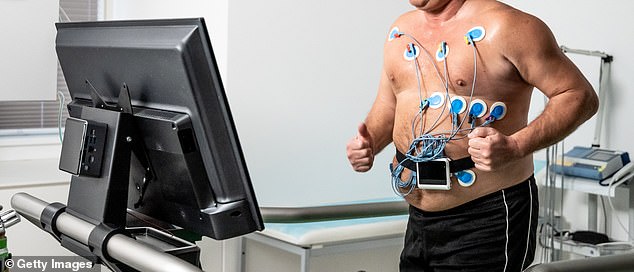
Huw Edwards, who leads ukactive—the representative organization for the fitness industry in the UK—stated: "Physical activity significantly contributes to both our physical and mental well-being, offering advantages like enhanced sleep quality, decreased levels of stress and anxiety, and increased productivity, social interaction, and overall wellness."
This research highlights how resistance training can be crucial in addressing insomnia among elderly individuals. We understand that engaging in physical activity benefits both the quality of one’s sleep and enhances overall well-being and productivity the next day.
Our findings indicate that improving sleep quality (66%) is a key reason why individuals engage in physical activity. Therefore, it’s crucial that everybody, regardless of their age, background, or capability, feels encouraged to incorporate physical exercise into their everyday routines.
We aim to transform the UK into the most physically active country in Europe, potentially reducing annual healthcare costs related to lack of exercise by up to £1 billion and boosting GDP by an extra £3.6 billion due to enhanced productivity.
Read more
EmoticonEmoticon