
In 2009, upon moving from my hometown to the city for university studies, I set up my initial Facebook account named "quan ph". This beginning was quite basic with no capitals, accents, or even a profile photo.
In those days, social media served as a platform for sharing impromptu reflections on the rains in Ho Chi Minh City or exchanging jokes among friends. Our primary means of communication remainedYahoo Messenger and SMS. Logging onto these platforms was mainly to catch up on what everyone was doing or which acquaintances had started dating each other.
Fifteen years later, that same platform had transformed into an endless loop of breaking news and short videos, pulling me in deeper than I ever expected.
|
|
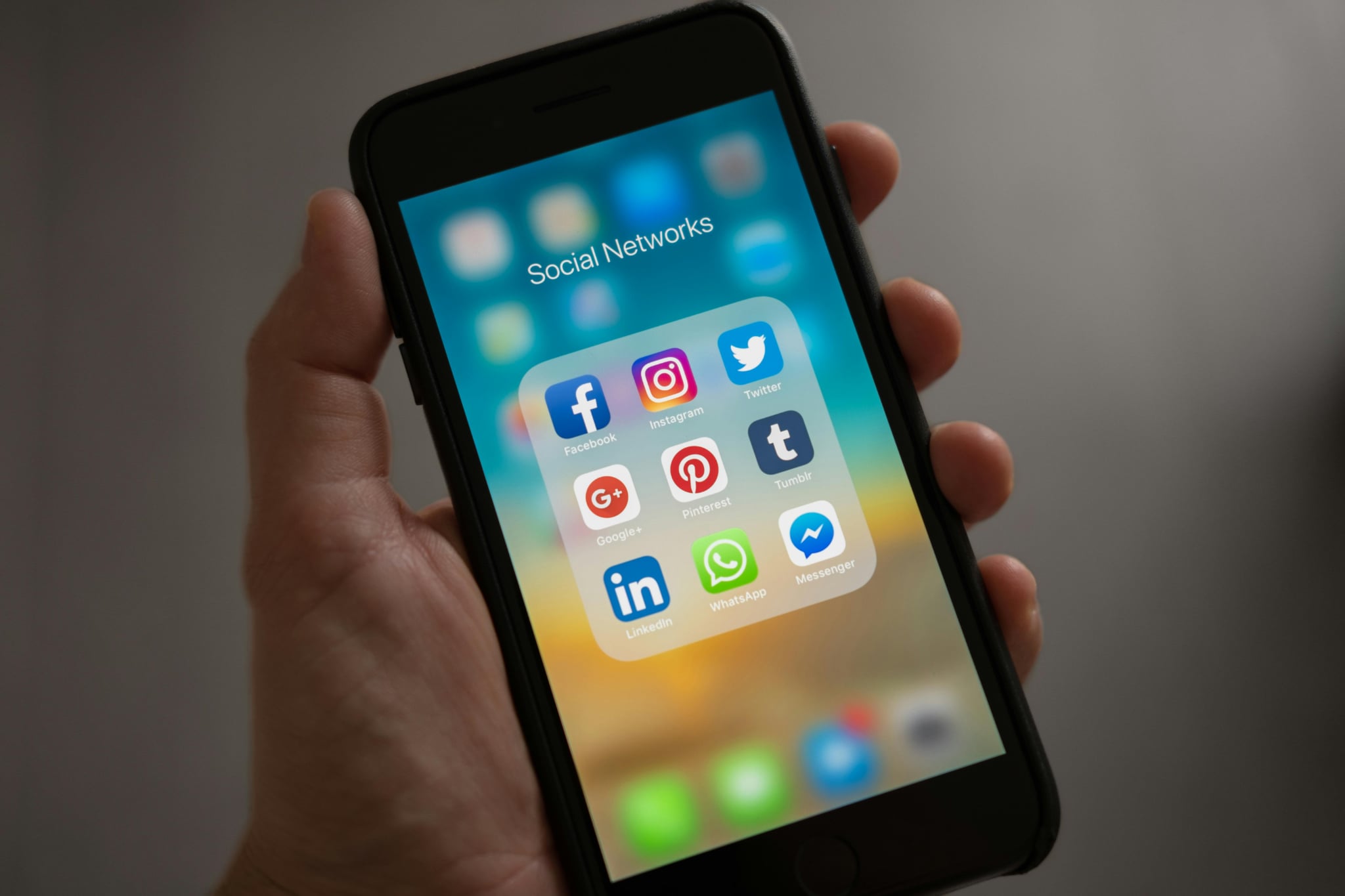
An individual is holding a smartphone featuring various social media applications. Stock image courtesy of Pexels. |
I developed an obsession. Despite being overseas, friends from Vietnam would message me regularly, seeking updates on the newest developments as though I were their own personalized news source. It made me uneasy whenever my phone wasn’t readily accessible. What began as occasional leisurely browsing quickly escalated into daily doomscrolling sessions lasting 2.5 hours each, continuing this pattern consistently over a span of 15 years.
Those are 10,000 hours wasted amidst an incessant deluge of arbitrary online content.
Malcolm Gladwell, a Canadian journalist and author, has stated that dedicating approximately 10,000 hours to practicing a skill can turn one into an expert. During this period, I might have become proficient in playing the piano or learning a foreign tongue. However, instead, these hours were frittered away on social media platforms like Facebook through endless scrolling and posting comments.
And for what purpose? I couldn’t even articulate what I had achieved. It was then that I made up my mind to stop. I silenced the notifications and deactivating my account marked the start of my digital cleanse.
Initially, I questioned how long I would manage without social media. The initial days were challenging; my fingers involuntarily reached for my phone as they had always done, sliding across the screen with an instinctive motion towards where the app used to be, before abruptly halting mid-air.
The application had vanished, yet my habitual actions persisted. I continually reached out to grab my phone, just to be reminded again that there was nothing to look at—no social media posts from friends, no restaurant recommendations, no announcements of new footwear releases, no pictures from trips, or updates about shows and movies. This quiet emptiness seemed strange and foreign.
But as the days passed, something changed. I stopped reflexively unlocking my phone. I no longer clicked on random content links that would waste my time. The need for likes, shares, and reactions disappeared. And I realized just how much energy I had poured into these meaningless numbers.
Suddenly, I began noticing things I had ignored for years, the sleepy cat at my favorite café, the way the sky turned gold and purple in the evening, the sound of wind in the trees. Instead of snapping photos to post, I just watched. Time felt slower, calmer. I finished a book without stopping, wrote an article without being distracted, and had long, phone-free conversations over dinner.
Social media had kept me from enjoying life’s small, beautiful moments. Without it, I saw the world with fresh eyes, without a screen in the way.
As of June 2023, nearly 80% of internet users in Vietnam were on social media, spending an average of three hours daily. Nearly half of young people aged 18–34 admitted they checked their phones first thing in the morning and right before bed every day.
Studies show that reducing social media use is not just about breaking a habit, it directly improves well-being. A small study of 143 American college students found that their emotional well-being improved significantly after just three weeks of reduced social media use. Without the pressure of "likes" and "shares," the students felt calmer. Another study published by the BBC found that staring at your phone for 30 minutes before bed affects sleep quality by lowering melatonin levels and fueling negative thoughts.
I'm still trying to strike a balance between my digital and real-life experiences. Handling my time spent on social platforms is akin to cleaning a dusty window, gradually clarifying what genuinely matters to me. I haven't removed my social media applications nor dismissed their advantages; instead, I am acquiring the skill to utilize them as tools rather than allowing them to dictate my actions.
Social media has transformed the way individuals interact and function globally. Nonetheless, I choose not to become part of the "attention economy," wherein businesses thrive off user interaction with various contents. These platforms utilize artificial intelligence to monitor activities, tailor information specifically for each user, and encourage continuous browsing, prioritizing advertising profits over personal time consumption.
Jaron Lanier, an influential figure in both computer science and digital theory, cautioned that we should "take back our focus" during this digital age. He encouraged individuals to assert their authority—selecting which data they absorb, disabling news suggestions, regulating alerts, steering clear of false reports, and establishing boundaries for device usage time.
As I master this skill, I'm starting to view the actual world more distinctly—the one that lies outside the screen.
Trinh Phuong Quan works as an architect.
EmoticonEmoticon